A Guide To Lymphatic Drainage Massage

What Is Lymphatic Drainage Massage?

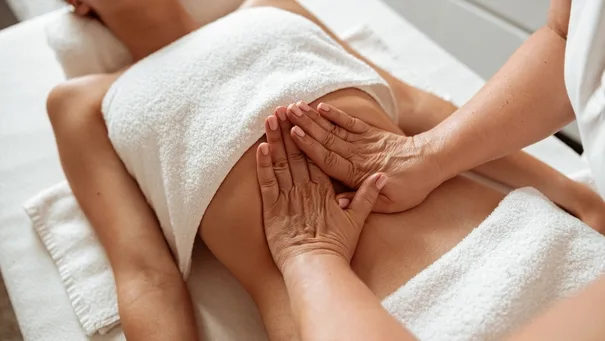
Lymphatic drainage massage is a specialized massage technique designed to encourage the natural movement of lymph fluid throughout the body. The lymphatic system plays an important role in maintaining fluid balance, supporting immune function, and helping remove waste products from tissues. Unlike traditional massage, lymphatic massage uses light, rhythmic movements that focus on stimulating lymph flow rather than targeting deep muscle tension. The treatment is often chosen by individuals looking to support recovery, reduce swelling, improve circulation, and enhance overall wellbeing.

What Is the Lymphatic System?

The lymphatic system is a network of vessels, lymph nodes, and tissues that work alongside the circulatory system. It helps transport lymph fluid throughout the body while supporting immune function and maintaining healthy fluid balance. When the lymphatic system functions efficiently, excess fluid can be moved and processed more effectively. Factors such as inactivity, travel, surgery, stress, or physical strain may sometimes contribute to temporary fluid retention and feelings of heaviness, which is why some individuals seek lymphatic drainage massage as part of their wellness routine.

What Are the Benefits of Lymphatic Drainage Massage?

Lymphatic drainage massage may provide a variety of wellness and recovery benefits. While results vary between individuals, many people incorporate lymphatic massage into their health and self-care routines to support circulation and overall comfort.
Potential benefits may include:
  • Reduced fluid retention
  • Reduced swelling and puffiness
  • Improved circulation
  • Support for post-exercise recovery
  • Enhanced relaxation
  • Improved feelings of lightness and mobility
  • Support for travel recovery
  • General wellness and self-care support
Many individuals find that regular lymphatic massage sessions help them feel refreshed, balanced, and more comfortable in their daily activities.

How Does Lymphatic Drainage Massage Work?

Lymphatic drainage massage works by using gentle, rhythmic movements that follow the body's natural lymphatic pathways. These techniques are designed to encourage the movement of lymph fluid toward lymph nodes, where the fluid can be processed naturally by the body. Unlike deep tissue or sports massage, the pressure used is typically very light. The focus is on supporting the lymphatic system rather than manipulating deeper muscle structures. This creates a calming and relaxing treatment experience while encouraging healthy fluid movement.

How Is Lymphatic Drainage Massage Different From Regular Massage?

Lymphatic drainage massage differs from traditional massage because its primary goal is to support lymphatic flow rather than relieve muscular tension.
Key differences include:
  • Light, gentle pressure
  • Focus on lymphatic pathways
  • Emphasis on fluid movement
  • Minimal deep tissue manipulation
  • Recovery and wellness-oriented treatment approach
While traditional massage often targets muscle tightness and mobility restrictions, lymphatic drainage focuses on supporting circulation and fluid balance throughout the body.

What Techniques Are Used During Lymphatic Drainage Massage?

Lymphatic drainage massage uses specialized techniques designed to support natural lymph flow and encourage relaxation.

Manual Lymphatic Drainage (MLD)

Manual Lymphatic Drainage uses gentle, repetitive movements that help guide lymph fluid through the lymphatic system. These techniques are performed with light pressure and controlled rhythm.
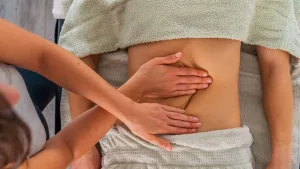
Therapist's hands performing an abdominal massage on a relaxed person lying on a towel-covered table with a towel over chest.

Lymph Node Stimulation

Therapists may focus on areas where lymph nodes are concentrated to help encourage healthy lymphatic circulation throughout the body.

Directional Flow Techniques

Specific massage movements follow the natural pathways of the lymphatic system, helping support the movement of fluid from one area of the body to another.

Whole-Body Lymphatic Support

Many treatments address multiple regions of the body to encourage overall lymphatic function and support balanced circulation.

Can Lymphatic Drainage Massage Help Reduce Swelling?

Many people seek lymphatic massage to help manage temporary swelling, puffiness, or fluid retention. Long flights, extended periods of sitting, physical activity, and certain lifestyle factors can contribute to feelings of heaviness or fluid buildup. By encouraging healthy lymphatic flow, lymphatic drainage massage may help support the body's natural fluid management processes and promote greater comfort.

Is Lymphatic Drainage Massage Helpful After Surgery?

Lymphatic drainage massage is often associated with recovery support following certain surgical procedures. Some individuals seek treatment to help manage post-operative swelling and encourage comfort during recovery. However, every recovery process is different. Individuals considering post-surgical lymphatic drainage massage should always follow their healthcare provider's recommendations and obtain appropriate medical clearance when necessary.

Can Lymphatic Drainage Massage Support Wellness and Recovery?

Many active individuals include lymphatic massage as part of a broader wellness routine. The treatment is commonly used by those seeking support for recovery, relaxation, and general wellbeing. Whether recovering from exercise, managing the effects of travel, or simply looking to prioritize self-care, lymphatic drainage massage can complement other healthy lifestyle habits and wellness practices.

Is Lymphatic Drainage Massage Safe?

Lymphatic drainage massage is generally considered safe for many healthy individuals when performed by a trained practitioner familiar with lymphatic techniques. Because every individual is different, anyone with underlying medical conditions, recent surgeries, infections, or circulatory concerns should consult an appropriate healthcare professional before beginning treatment.

Who Should Avoid Lymphatic Drainage Massage?

Certain medical conditions may require additional assessment before receiving lymphatic drainage massage. Individuals with active infections, unmanaged cardiovascular conditions, or specific health concerns should seek professional medical guidance prior to treatment. A qualified practitioner can help determine whether lymphatic massage is appropriate based on individual circumstances and health history.

What to Expect During a Lymphatic Drainage Massage

A lymphatic drainage massage session usually begins with a consultation to discuss your goals, health history, and any areas of concern. The practitioner may assess factors such as swelling, discomfort, lifestyle habits, and recovery needs. The treatment itself typically involves slow, gentle, rhythmic movements performed in a calm and relaxing environment. Many people describe the experience as soothing and restorative. After the session, practitioners may provide recommendations to help support hydration, recovery, and overall wellness.

How Often Should You Get Lymphatic Drainage Massage?

The ideal frequency of treatment varies depending on individual goals and circumstances. Some people choose occasional sessions as part of their wellness routine, while others may receive treatment more regularly during recovery periods or times of increased physical demand. A qualified practitioner can help recommend a schedule that aligns with your personal needs and wellness objectives.

Who May Benefit From Lymphatic Drainage Massage?

Lymphatic drainage massage may be beneficial for individuals experiencing:
  • Temporary fluid retention
  • Mild swelling or puffiness
  • Post-travel fatigue
  • Recovery after physical activity
  • Sedentary lifestyles
  • General stress and fatigue
  • Wellness and self-care goals
  • Recovery-focused support

Frequently Asked Questions

Lymphatic drainage massage is a specialized treatment that uses gentle techniques to support the natural movement of lymph fluid throughout the body.

The treatment uses light, rhythmic movements that follow lymphatic pathways and encourage healthy fluid circulation.

Many individuals seek lymphatic massage to help manage temporary swelling, puffiness, and fluid retention as part of a wellness routine.

Lymphatic drainage massage is generally performed using very light pressure and is often described as relaxing and comfortable.

Session lengths vary depending on the practitioner and treatment plan, but many appointments typically range between 60 and 90 minutes.

Frequency depends on individual goals, recovery needs, and wellness objectives. Recommendations can vary from person to person.
Conclusion

If you're looking for professional lymphatic drainage massage in Uluwatu, working with experienced practitioners can help ensure your treatment is tailored to your individual recovery and wellness goals. Whether you're seeking support for fluid retention, post-travel recovery, relaxation, or overall wellbeing, lymphatic massage offers a gentle and restorative approach designed to support balance, circulation, and comfort. At Flex & Flow, lymphatic drainage massage sessions are designed to complement an active and healthy lifestyle while providing personalized care that supports recovery, movement, and long-term wellness.