8 Back Massage Techniques and How to Perform Each
The eight main back massage techniques are effleurage (gliding), petrissage (kneading), friction, compression, tapotement (percussion), trigger point pressure, deep tissue stripping and shiatsu finger pressure. Each one does a different job. Gliding and kneading warm and loosen the muscles. Friction, trigger point pressure and deep tissue strokes work on tight spots. Shiatsu uses steady pressure without oil.
This guide explains each method: what it is, how to do it, how much pressure to use and when it helps. It also gives a simple sequence that puts the techniques in order, and lists the places on the back you should never press.
The 8 back massage techniques: Comparison
# | Technique | What you do | Pressure | Best for | Skill level |
|---|---|---|---|---|---|
1 | Effleurage | Long gliding strokes with flat hands | Light to medium | Warming up and calming the whole back | Beginner |
2 | Petrissage | Lift, squeeze and roll the muscle | Medium | General tightness in the shoulders and back | Beginner |
3 | Friction | Small circles on one spot with thumbs or fingertips | Medium to firm | Small tight areas beside the spine and shoulder blades | Intermediate |
4 | Compression | Lean in with the palm and hold | Medium | Large muscles, or a massage without oil | Beginner |
5 | Tapotement | Rhythmic tapping with cupped or loose hands | Light and brisk | Waking the muscles up at the end | Beginner |
6 | Trigger point pressure | Hold steady pressure on a knot | Firm and sustained | A tender knot | Intermediate |
7 | Deep tissue stripping | Very slow, firm stroke along the muscle | Firm | Long-standing tightness in deeper layers | Advanced |
8 | Shiatsu finger pressure | Press with thumbs, fingers and palms, no oil | Medium to firm | Whole-back tension, or people who dislike oil | Intermediate |
Before You Start: Five Rules for A Safe Back Massage
Stay off the spine: Work on the muscles either side of it, never on the bones.
Go light over the lower ribs: The kidneys sit under the back of the rib cage, so avoid heavy pressure and tapping there.
Use a pain scale: Ask for a number from 1 to 10. Aim for 5 to 7, a strong but comfortable pressure. Stop at anything sharp.
Warm up first: Start light and go deeper slowly. Cold muscles resist pressure.
Keep asking: Pressure that feels fine on the shoulders can be too much on the lower back.
For setup, have the person lie face down with a small pillow under the ankles. Warm your hands. Use a little oil or lotion for the gliding techniques, and none for compression or shiatsu.
The 8 Back Massage Techniques
1. Effleurage (gliding strokes)
Effleurage is a long, smooth stroke made with the whole flat hand. It opens and closes almost every oil massage, including Balinese massage.
How to do it:
Place both hands flat on the lower back, one each side of the spine.
Glide up to the shoulders with even pressure.
Sweep out across the shoulders and return down the sides with lighter pressure.
Pressure: light at first, then medium.
Use it for: warming the muscles, spreading oil and calming the person. It also links one technique to the next.
Watch out for: rushing. A slow stroke relaxes, and a fast one stimulates.
2. Petrissage (kneading)
Petrissage means lifting and squeezing the muscle, much like kneading dough. It works deeper than gliding and loosens general tightness.
How to do it:
Grasp the muscle between your thumb and fingers.
Lift, squeeze and release.
Alternate hands in a steady rhythm and move along the muscle.
Pressure: medium.
Use it for: the tops of the shoulders and the long muscles either side of the spine.
Watch out for: pinching the skin. Pick up the muscle, not just the surface.
3. Friction
Friction is a small, focused movement on one spot. The thumb or fingertips move the skin over the muscle underneath, without sliding across the skin.
How to do it:
Place a thumb or two fingertips on the tight spot.
Press in and make small, slow circles.
Work for 20 to 30 seconds, then move a little further along.
Pressure: medium to firm.
Use it for: tight bands beside the spine and around the edges of the shoulder blades.
Watch out for: using oil. Too much makes the fingers slip and the technique stops working.
4. Compression
Compression is steady pressure applied with the palm or the heel of the hand, then released. It needs no oil and works through light clothing.
How to do it:
Place your palm on the muscle beside the spine.
Lean your body weight in slowly and hold for a few seconds.
Release, move one hand width along and repeat.
Pressure: medium, using body weight and not arm strength.
Use it for: the large muscles of the back, and as a warm-up when you are not using oil.
Watch out for: pressing straight down on the spine or the lower ribs.
5. Tapotement (percussion)
Tapotement is quick, rhythmic tapping. Common forms are cupping with hollow palms and hacking with the edges of relaxed hands.
How to do it:
Keep your wrists and fingers loose.
Tap in a light, even rhythm, alternating hands.
Move across the upper and middle back for 30 to 60 seconds.
Pressure: light and brisk.
Use it for: waking the muscles up at the end of a massage. Skip it if the aim is sleep.
Watch out for: the spine, the lower ribs and any bony area. Tap on muscle only.
6. Trigger point pressure
A trigger point is a small, tender knot in a muscle. Trigger point pressure means holding steady pressure on that knot until the tenderness eases.
How to do it:
Find the knot with your thumb. It feels like a firm, sore lump.
Press in gradually until the person reports 5 to 7 out of 10.
Hold for about 30 seconds, then release slowly. Repeat up to three times.
Pressure: firm and sustained.
Use it for: a single knot, often between the shoulder blade and the spine.
Watch out for: overworking one spot. Too long or too hard can leave a bruise.
7. Deep tissue stripping
Stripping is a very slow, firm stroke that follows the length of a muscle. It is the core stroke of deep tissue massage, which uses slow, firm pressure to reach deeper layers of muscle and connective tissue.
How to do it:
Warm the area first with gliding and kneading.
Sink in with a forearm, knuckles or thumbs until you reach firm resistance.
Glide along the muscle very slowly, a few centimetres at a time.
Pressure: firm, guided by the person's feedback.
Use it for: long-standing tightness that lighter techniques do not reach.
Watch out for: doing too much. This is the hardest technique to judge on someone else's body, and it is best done by a trained therapist. It is also the style most often linked to the rare injuries described in the safety section below.
8. Shiatsu finger pressure
Shiatsu is a Japanese method whose name means finger pressure. Shiatsu massage uses the fingers, thumbs and palms to press on specific points, generally without oil, and often adds gentle stretching.
How to do it:
Skip the oil. Place both thumbs on the muscles either side of the spine at the upper back.
Lean in with your body weight, hold for a few seconds and release.
Move down one thumb width at a time until you reach the lower back. Use the palms on broader areas.
Pressure: medium to firm, steady and unhurried.
Use it for: tension along the whole back, and for people who prefer a massage without oil.
Watch out for: jabbing. The pressure should build and fade slowly.
How to combine the techniques: a 15-minute back massage
Step | Technique | Time | Where |
|---|---|---|---|
1 | Effleurage | 2 minutes | Whole back, light pressure |
2 | Petrissage | 4 minutes | Shoulders first, then down each side |
3 | Compression | 1 minute | Muscles either side of the spine |
4 | Friction | 3 minutes | Beside the spine and around the shoulder blades |
5 | Trigger point pressure | 2 minutes | Up to three knots |
6 | Tapotement | 1 minute | Upper and middle back |
7 | Effleurage | 2 minutes | Whole back, slower and lighter to finish |
The order matters. Light, broad techniques come first, focused techniques sit in the middle, and the massage ends as gently as it began.
Which technique suits which problem?
Problem | Start with | Then add | Go easy on |
|---|---|---|---|
General stress and tiredness | Effleurage | Petrissage | Firm, focused pressure |
Tight shoulders from desk work | Petrissage | Friction around the shoulder blades | Tapotement on the neck |
One knot that aches when pressed | Trigger point pressure | Friction around it | Repeating it more than three times |
A stiff lower back | Effleurage and compression | Gentle petrissage beside the spine | Pressure on the spine and lower ribs |
Deep, long-standing tightness | Petrissage to warm up | Deep tissue stripping by a trained therapist | Doing it yourself with heavy pressure |
Someone who dislikes oil | Compression | Shiatsu finger pressure | Gliding strokes |
Where not to press, and when to stop
Do not massage over:
The spine itself or any bony point
The lower ribs and kidney area with heavy pressure or tapping
Bruises, broken skin, rashes or swollen areas
A recent injury
Stop straight away if the person feels sharp pain, numbness, tingling or pain that shoots down a leg.
Massage is low risk for most people. The US National Center for Complementary and Integrative Health reports that serious side effects are rare. The cases on record are linked to vigorous styles such as deep tissue massage and to people at higher risk of injury, such as older adults. Use lighter pressure on older adults. Anyone with a medical condition should check with a healthcare provider first.
Does back massage help back pain?
It may help for a short time. The same US health agency describes the evidence for massage in low-back pain as weak, with benefits that are generally short-term. A massage can ease tight muscles, and it does not fix the cause of ongoing pain.
Most back pain improves by itself. The NHS says back pain often gets better within a few weeks, and advises staying active instead of resting in bed for long periods.
Get emergency help if back pain comes with any of these:
Pain, tingling, weakness or numbness in both legs
Loss of feeling around the genitals or anus
Changes in bladder or bowel control
Chest pain
A serious accident just before the pain started
See a doctor if the pain has not improved after a few weeks, is worse at night, or comes with fever or weight loss you cannot explain.
Final Thoughts
The best back massage technique depends on the type of tension you want to address and the level of pressure that feels comfortable. Effleurage and petrissage are good starting points for beginners, while friction and trigger point pressure target specific tight areas. Deep tissue stripping requires more skill, and shiatsu offers an alternative for people who prefer massage without oil.
Start with gentle strokes, increase pressure gradually, and finish with slower movements. If you prefer professional care, Spa Bali Moon offers massage treatments to help you relax and ease everyday muscle tension. Always avoid pressing directly on the spine or applying heavy pressure over the lower ribs. If back pain persists or comes with numbness, weakness, or other concerning symptoms, seek medical advice rather than relying on massage alone.
Frequently asked questions
What are the basic back massage techniques?
The basic back massage techniques are effleurage (gliding), petrissage (kneading), friction, compression and tapotement (tapping). Beginners can give a complete back massage with these five. Trigger point pressure, deep tissue stripping and shiatsu finger pressure are more focused methods that take more practice.
How long should a back massage last?
Fifteen to thirty minutes is enough to cover the whole back. Spend the first few minutes on light gliding strokes, the middle on kneading and focused work, and the last few minutes on slow, light strokes.
How much pressure should you use in a back massage?
Start light and build up slowly. Ask for a number from 1 to 10 and aim for 5 to 7, which is strong but comfortable. Use less pressure on the lower back than on the shoulders, and stop at any sharp pain.
Can you massage directly on the spine?
No. Work on the muscles either side of the spine and keep pressure off the bones. Also avoid heavy pressure and tapping over the lower ribs, where the kidneys sit.
What is the difference between deep tissue and shiatsu?
Deep tissue massage uses slow, firm strokes and sustained pressure to reach deeper layers of muscle. Shiatsu uses steady pressure from the fingers, thumbs and palms on specific points, generally without oil, and often adds gentle stretching.
Should a back massage hurt?
No. Firm techniques can feel intense on a tight muscle, and that feeling should stay comfortable. Sharp pain, numbness or tingling means the pressure is too strong or in the wrong place.
Does back massage help lower back pain?
It may give short-term relief. The evidence is weak, and the benefits tend not to last. See a doctor for back pain that lasts more than a few weeks or comes with numbness, weakness, fever or bladder changes.
Latest Posts

More Articles
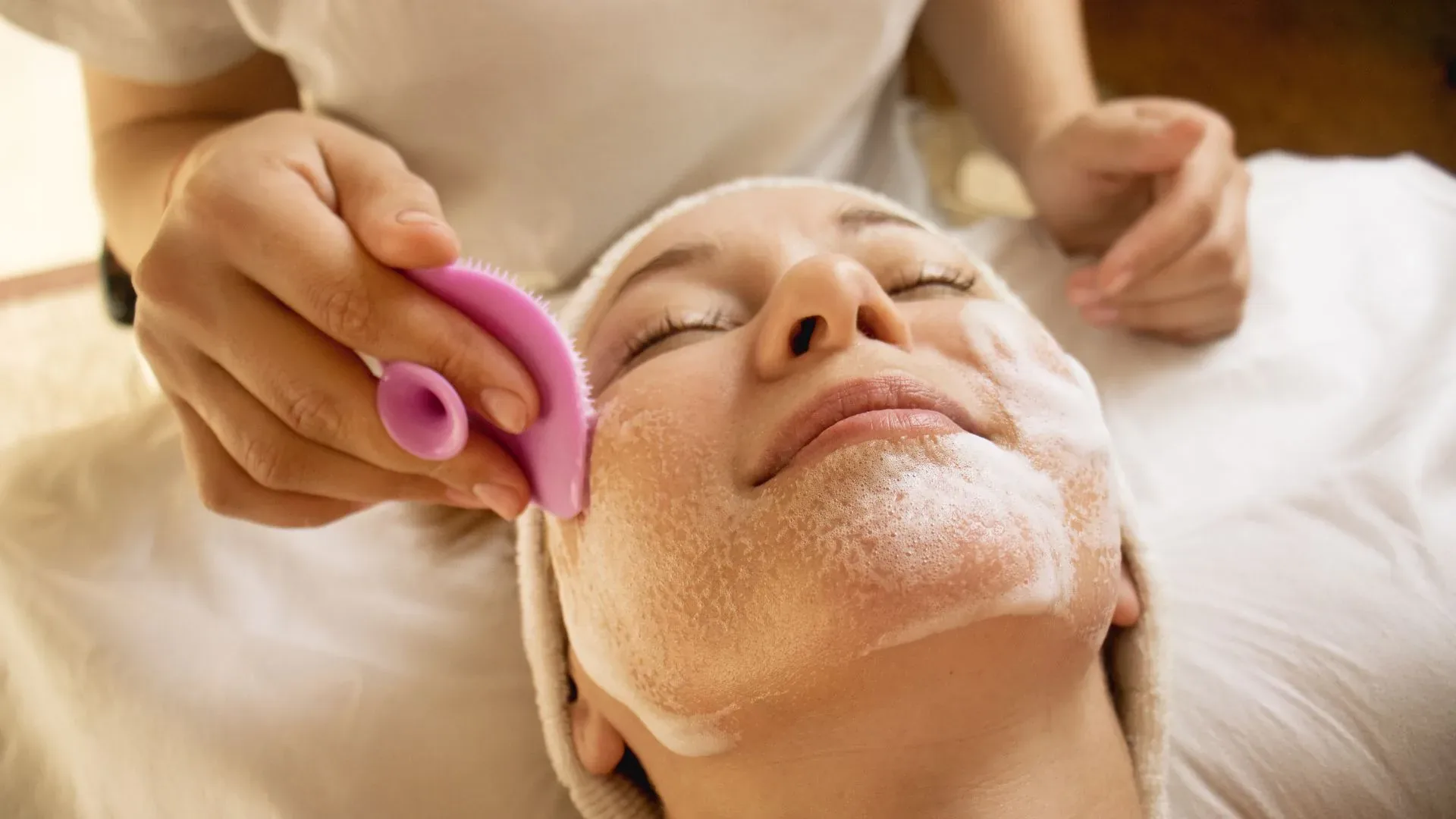 Facial Massage for Relaxation: What You Should KnowFacial massage has grown from a beauty add-on into a wellness ritual. Here is how it eases facial tension and supports your skincare routine.
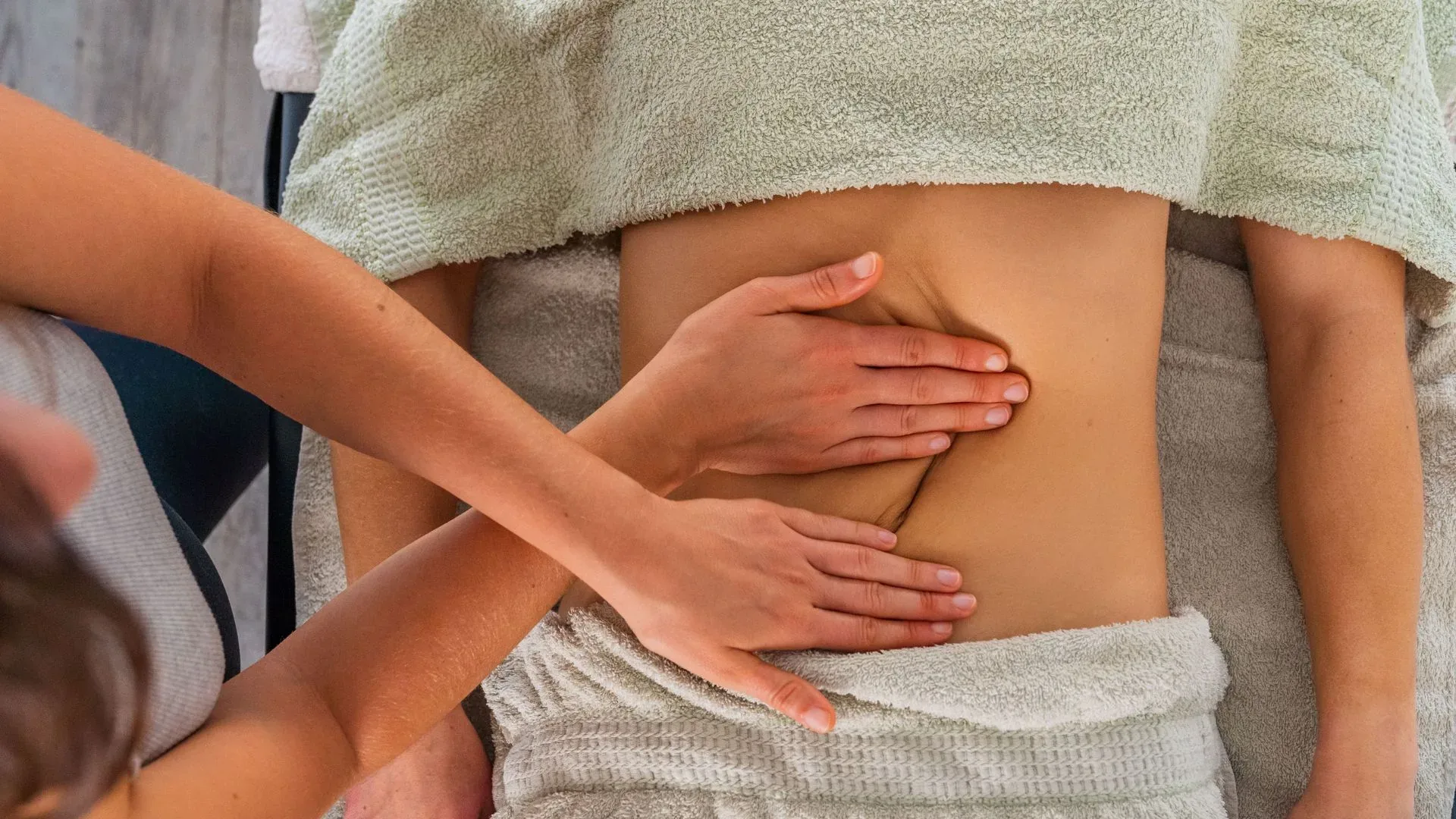 What Is a Slimming Massage and How Does It Work?Slimming massage targets circulation and fluid retention to support body contouring goals. Here is how it works and what results to expect.
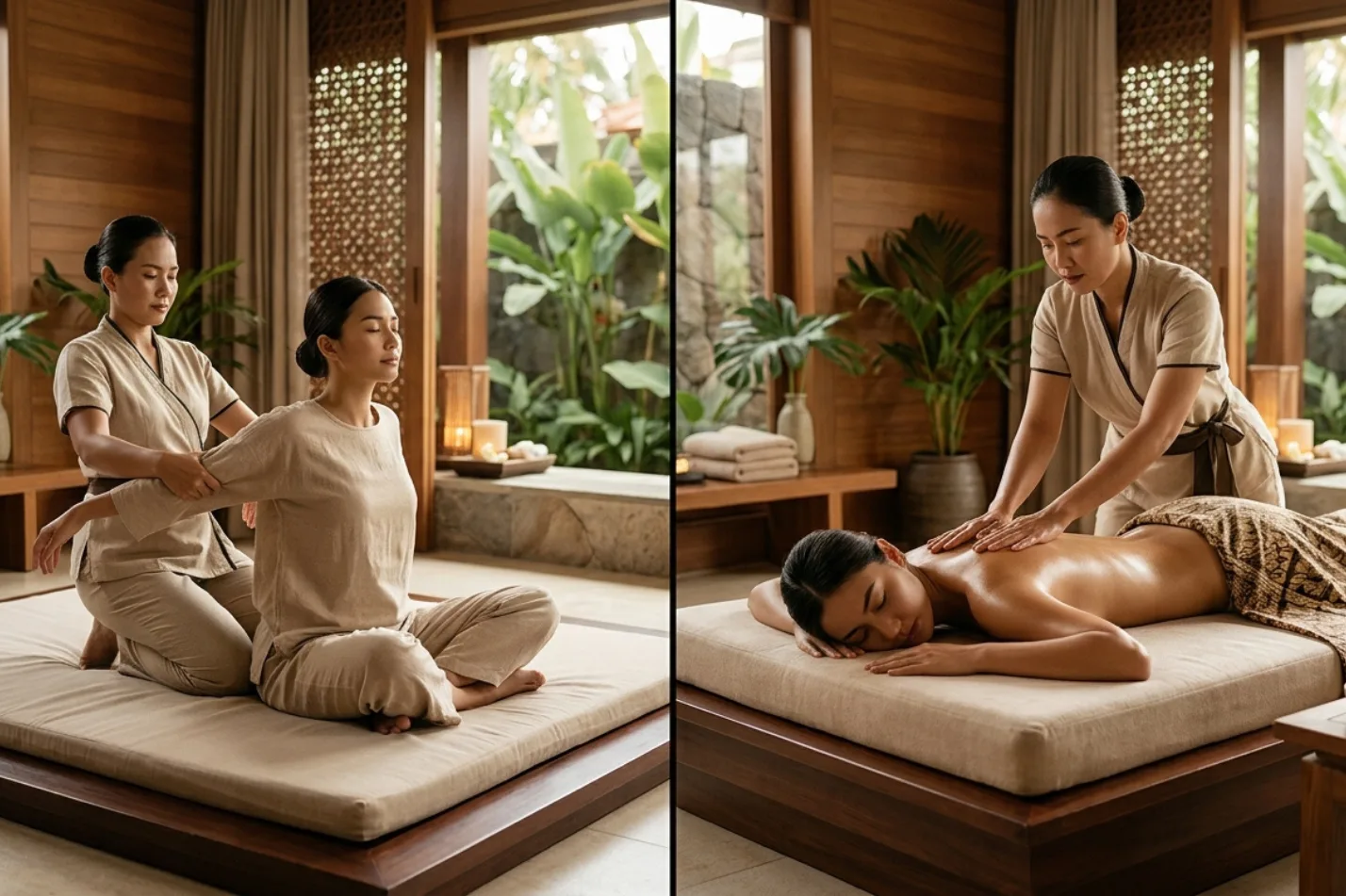
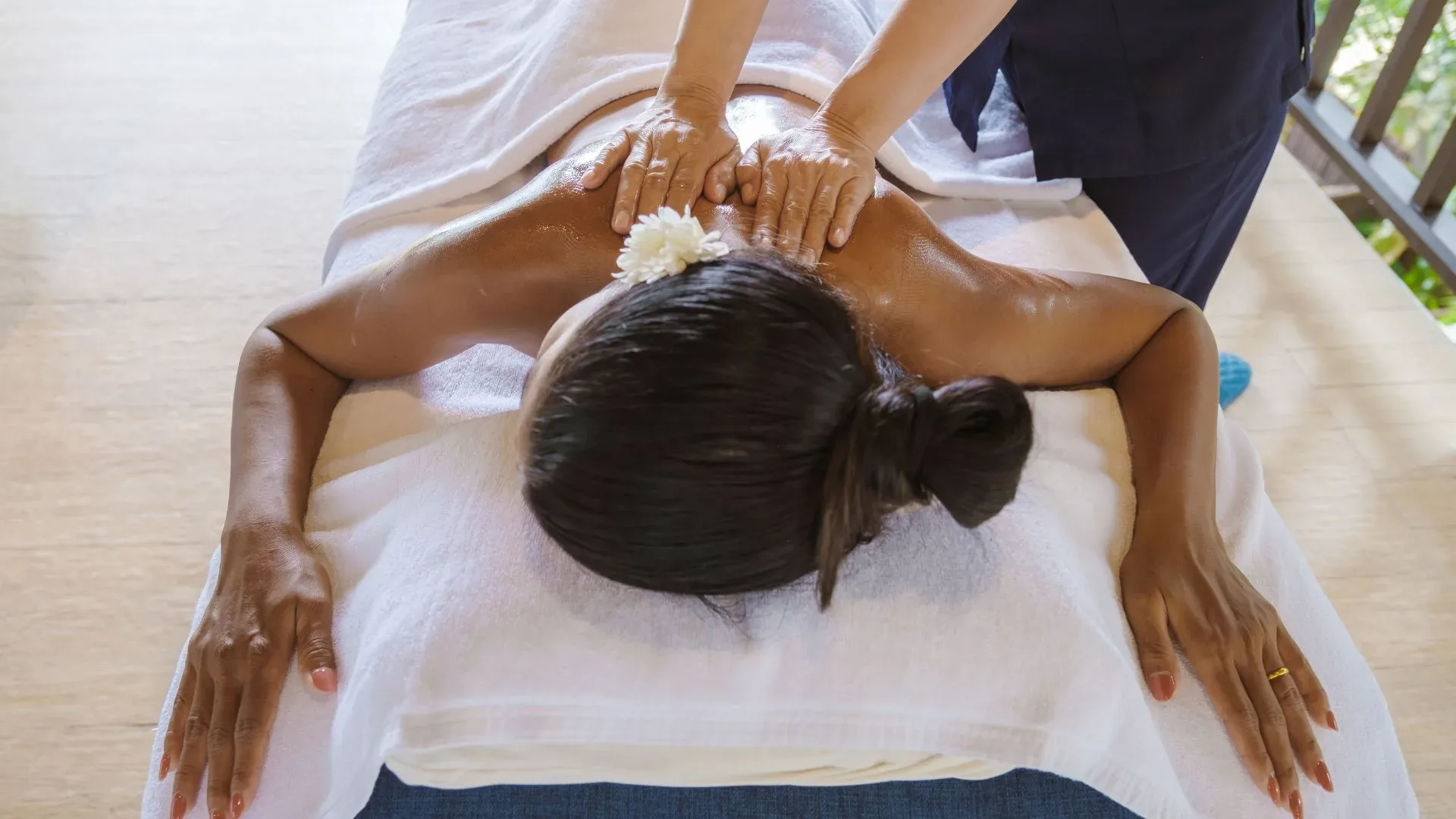 What Is Balinese Massage? Techniques, Benefits, and What to ExpectBalinese massage blends flowing strokes, acupressure, stretching and aromatherapy. Here is what first timers can expect from Bali’s signature treatment.