Massage Guide
Bali Belly: Causes, Prevention and What to Do

Bali belly is the local name for travellers' diarrhoea: loose stools and stomach cramps, sometimes with nausea, vomiting or a mild fever, usually in the first week of a trip. It is caused by germs in food or water, and most cases clear up on their own within a few days. This guide explains what causes it, how to lower your risk, what to do if you get it and when to see a doctor.
What is Bali belly?
Bali belly is travellers' diarrhoea, the most common illness among people who travel. The US Centers for Disease Control and Prevention (CDC) estimates that it affects 30% to 70% of travellers, depending on where they go and when.
The usual signs are:
three or more loose or watery stools in a day;
stomach cramps and an urgent need for the toilet;
nausea, and sometimes vomiting;
a mild fever or feeling generally unwell.
It usually lasts a few days, and most people are better within a week.
What causes Bali belly?
Most cases are caused by bacteria, especially a type of E. coli, in food or water that has been in contact with traces of faeces. Viruses such as norovirus cause many others, and parasites such as Giardia a few. Spicy food and a change of diet can upset the stomach, but they are not what causes Bali belly.
The usual sources are:
tap water, and drinks or ice made with it;
salads and raw vegetables washed in tap water;
raw or undercooked seafood, meat and eggs;
food that has sat at room temperature, such as at some buffets;
fruit that someone else has cut and left out;
hands that haven't been washed before eating.
How to avoid Bali belly
Drink sealed bottled water or water from a filtered refill station, and don't drink tap water. Many people use bottled water to brush their teeth too.
Be choosy about ice. In tourist areas, most restaurants and cafés buy ice made from purified water. If you aren't sure where the ice came from, skip it.
Eat food that is cooked fresh and served hot. Busy places with a quick turnover are a good sign.
Peel fruit yourself, and go easy on raw salads and raw seafood.
Wash your hands with soap before eating and after using the toilet.
Probiotics are popular for prevention, but the evidence that they work is weak.
What to do if you get Bali belly
Drink plenty, in small sips if you feel sick. An oral rehydration solution (ORS) replaces the salts you lose. In Indonesia it is sold in sachets as oralit at every pharmacy (apotek).
Eat when you feel like it, starting with plain food such as rice, toast, bananas or clear soup.
Rest, and stay out of the heat, which makes you lose fluid faster.
Anti-diarrhoeal tablets such as loperamide can help adults when they need to travel or go out. Don't take them if you have blood in your stool or a high temperature, and don't give them to children under 12.
Antibiotics only help some cases. Take them only if a doctor prescribes them.
Avoid alcohol, coffee and very sugary drinks until you feel better, because they can make diarrhoea worse.
When to see a doctor
See a doctor straight away if you have:
blood or mucus in your stool;
a fever of 39°C (102°F) or higher;
vomiting that stops you keeping fluids down;
signs of dehydration: very little or dark urine, dizziness, a very dry mouth, or confusion;
severe stomach pain.
See one sooner, too, if you are pregnant, older, have a long-term condition such as diabetes or kidney disease, or if a young child is ill. Also see a doctor if you are no better after three days. Bali has international clinics in the main tourist areas, and many doctors visit hotels and villas.
Do you need an IV drip for Bali belly?
Usually not. If you can keep fluids down, an oral rehydration solution works well. A drip makes sense when vomiting stops you from drinking, and a doctor should check you first. Our guide IV drip therapy: before you book explains what a drip can and cannot do.
Getting back to your holiday
Give yourself a day or two of rest and plenty of fluids after the symptoms stop, and go easy on alcohol and rich food. Wait until you feel well before booking a massage: massage isn't a good idea while you have a fever or diarrhoea. When you are ready, a gentle Balinese massage in Seminyak is an easy way back into your holiday.
This guide gives general information and is not a substitute for medical advice.
Frequently asked questions
How long does Bali belly last?
Usually a few days. Most people are better within a week. See a doctor if you are no better after three days, or sooner if you have warning signs such as blood in your stool or a high fever.
Is Bali belly contagious?
It can be. The germs spread through food, water and unwashed hands, so wash your hands well and don't prepare food for others while you are ill.
Can you drink the tap water in Bali?
No. Drink sealed bottled water or filtered water, and many visitors brush their teeth with it too.
Is the ice safe in Bali?
In most restaurants and cafés in tourist areas, yes: they buy ice made from purified water. If you can't tell where the ice came from, skip it.
What should I eat with Bali belly?
Plain food in small amounts once you feel like eating, such as rice, toast, bananas, crackers and clear soup. Keep drinking an oral rehydration solution.
Does Coca-Cola help Bali belly?
Not really. Sugary fizzy drinks can make diarrhoea worse. An oral rehydration solution replaces fluid and salts much better.
Should I take antibiotics for Bali belly?
Only if a doctor prescribes them. Most cases get better without antibiotics, and they don't help when a virus is the cause.
Latest Posts
Keep reading
More Massage Guides
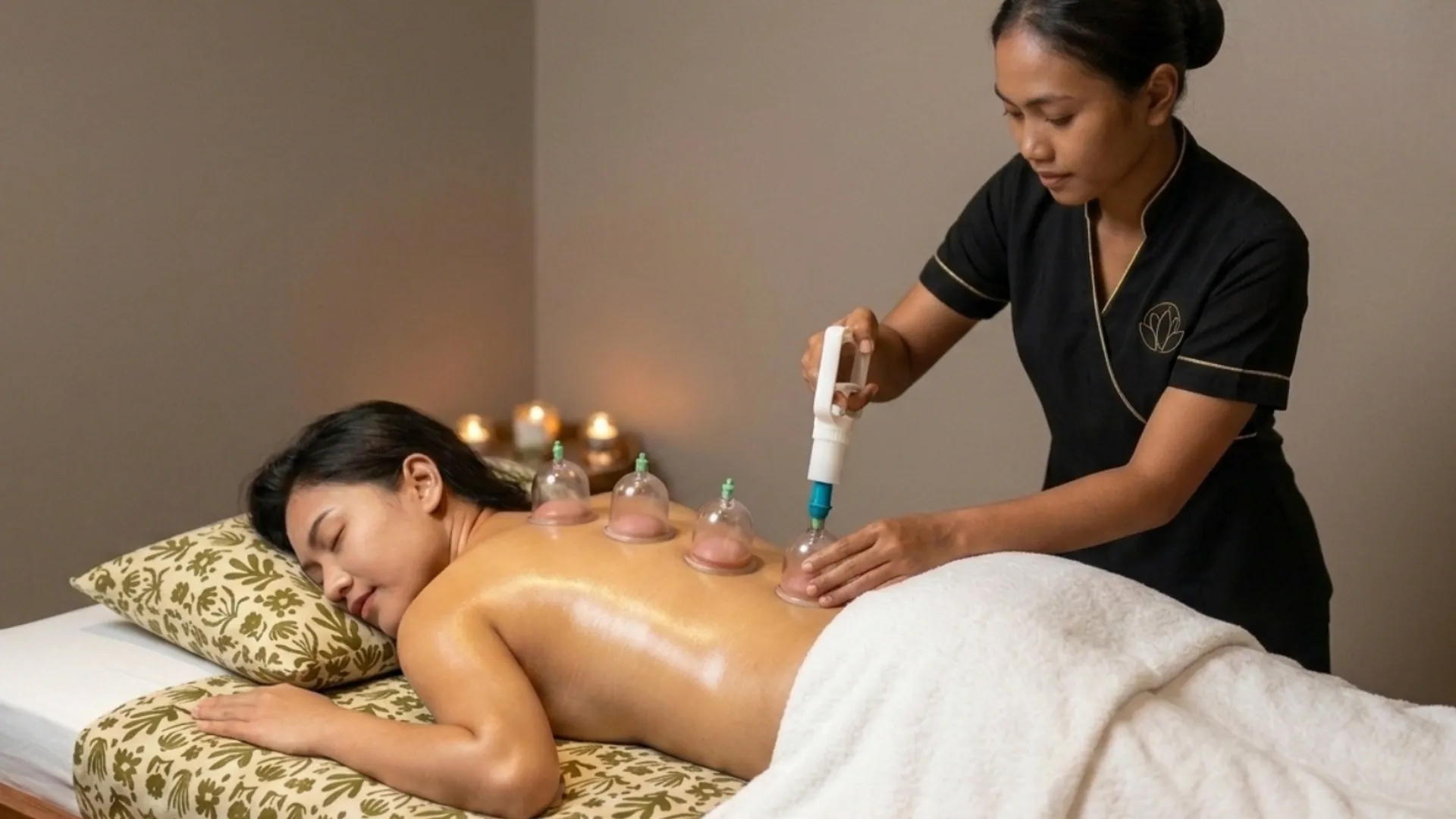 Cupping Therapy: Benefits, Marks and What to ExpectThe types of cupping, what the research says, what the marks mean and what a session is like.Read the guide
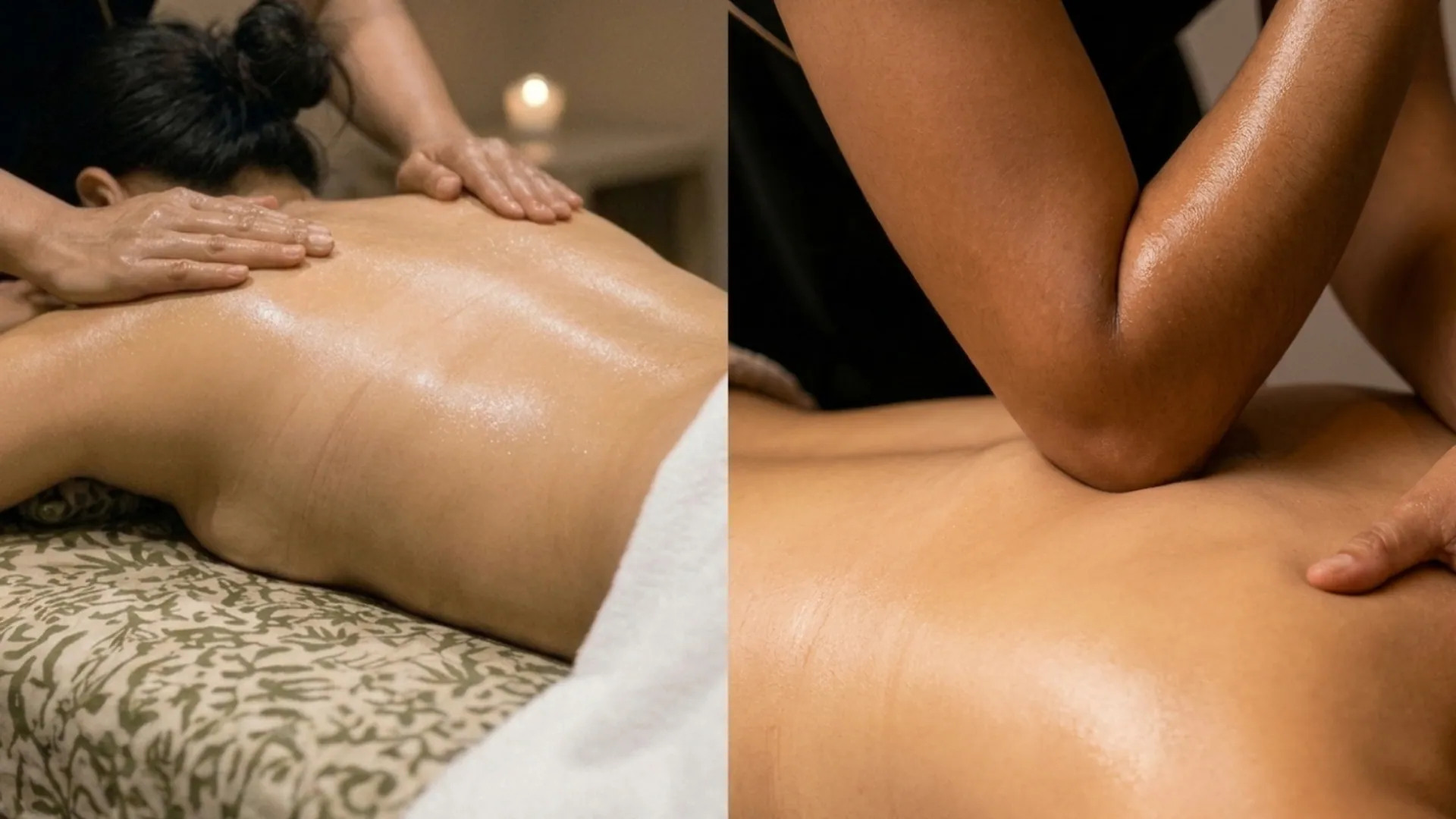 Swedish vs Deep Tissue MassageHow Swedish and deep tissue massage differ in pressure, pace and purpose, and which one suits you.Read the guide
 Hot Stone Massage: Benefits and What to ExpectHow a hot stone massage works, its benefits, what happens in a session and who should skip it.Read the guide